
Pinol
Peruvian hot beverage made from toasted barley flour and panela.
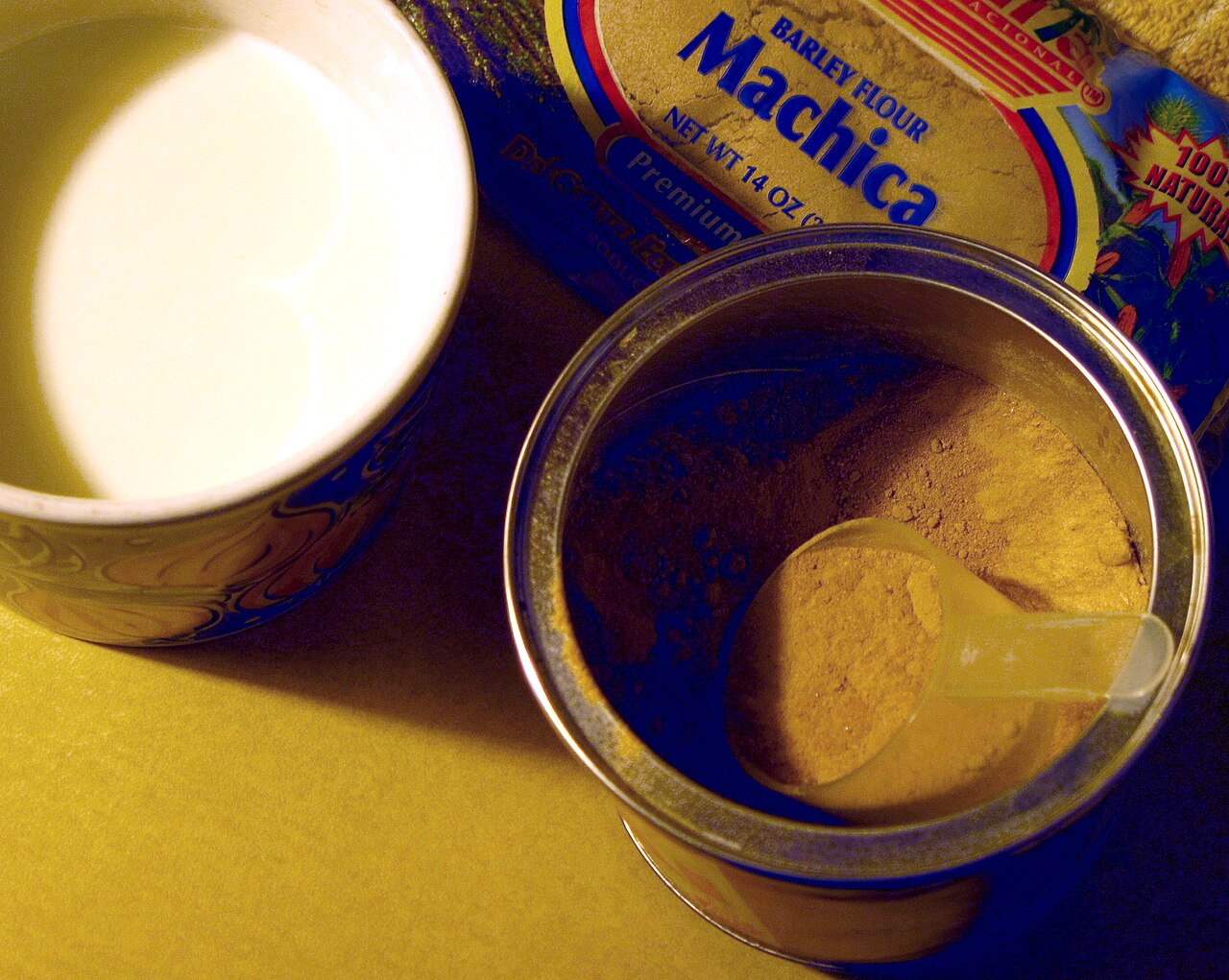
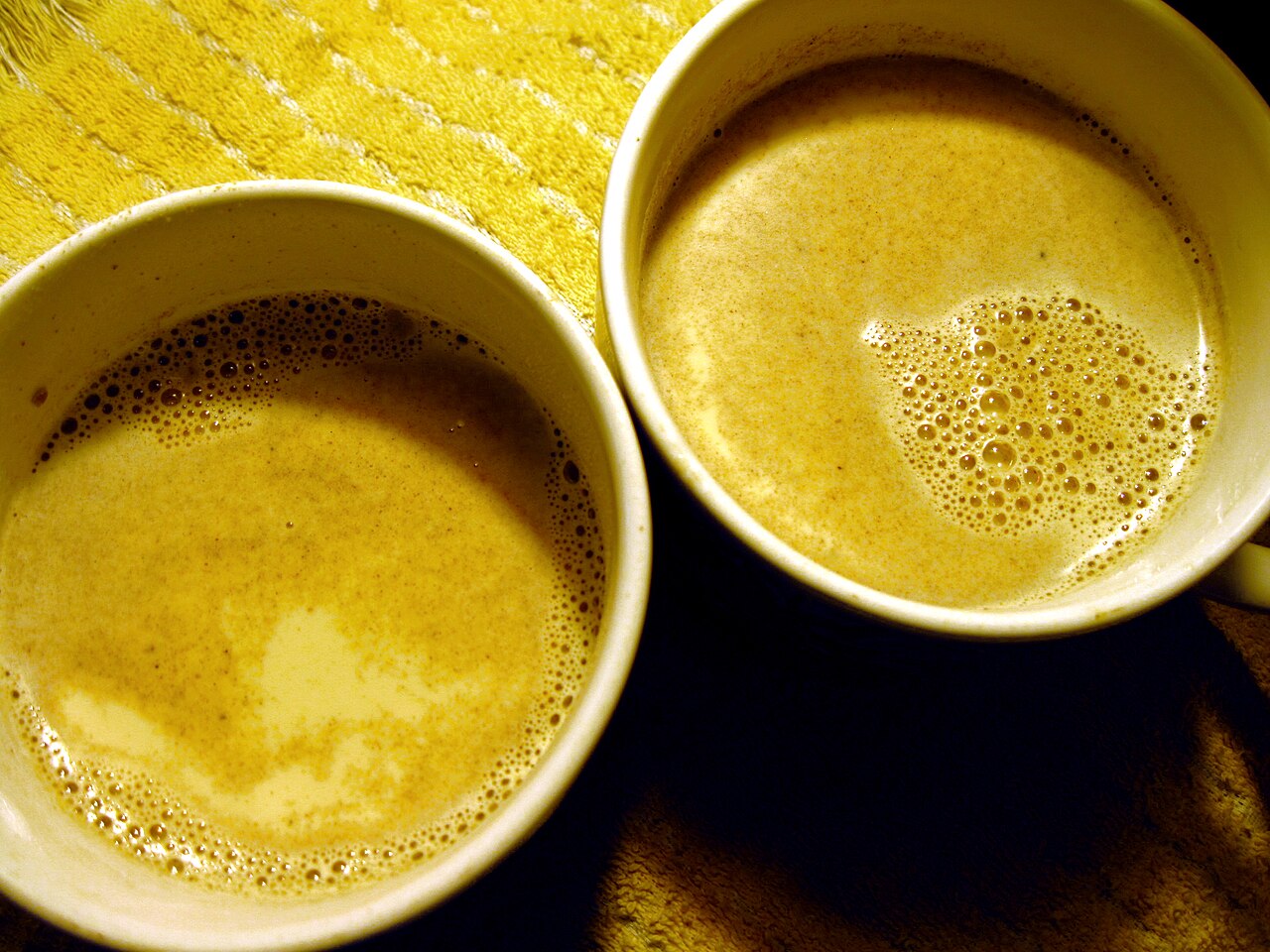
Pinol (or piñol) is a warm beverage from Peru. It is made by combining a liquid, usually milk, with a dry mix of máchica (toasted barley flour), panela (unrefined sugar), and spices. The term "pinol" can also refer to this dry mix itself. The drink was created by Rafael Emilio Madrid of Lima, Peru. He got the idea after watching workers suck on pieces of panela, so he ground the sugar with máchica and spices. The Madrid family built a factory in San Rafael, Ecuador, in the 1950s, originally using a millstone to produce the mix. By 2009, the fourth generation of the family was still involved in making it. Despite its mid-20th-century origin, pinol is considered a traditional food.
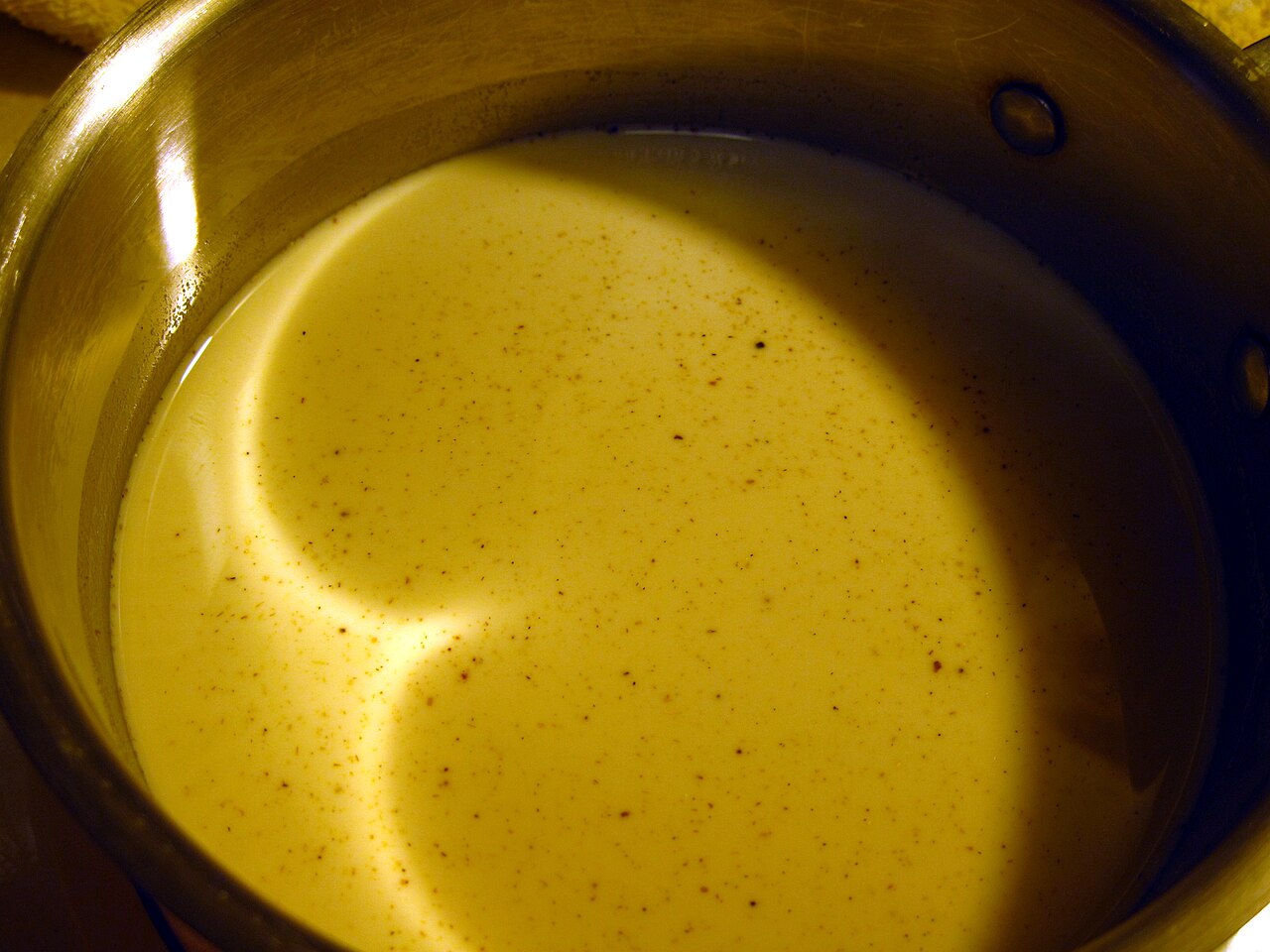
The dry mix sold for the beverage includes finely-ground panela, máchica, and ground spices such as anise, cinnamon, ishpingo (an Andean spice related to cinnamon), cloves, or peppercorns. Some versions also include quinoa. Pinol is usually prepared with milk or soymilk, but water or fruit juice can be used. The process is similar to making hot chocolate from milk and cocoa powder rather than from water and a mix. The mix can also be used in fruit smoothies, custard, or other desserts, and is sometimes eaten with grated cheese or by itself.
Ready-to-drink pinol is sold at shops and ice cream parlors in Salcedo, where both locals and tourists drink it. Besides the Madrid family's company, several other manufacturers now produce pinol mix. Some brands are exported to other countries for Ecuadoran immigrant communities and other customers.
- origin
- Peru
- inventor
- Rafael Emilio Madrid
- inventor_location
- Lima, Peru
- primary_ingredients
- máchica, panela, spices
- typical_liquid
- milk or soymilk
- first_factory_location
- San Rafael, Ecuador
- factory_built
- 1950s
Lore & Background
The invention of pinol is attributed to Rafael Emilio Madrid of Lima, Peru. As the story goes, Madrid was inspired by watching laborers sucking on pieces of panela, and decided to grind panela and mix it with máchica and spices. The Madrid family's factory, built in the 1950s and located in San Rafael, Ecuador, originally used a millstone to manufacture its pinol mix. As of 2009, the fourth generation of Madrid's family was still involved in producing pinol mix. Despite its relatively recent mid-20th-century origin, pinol is considered a traditional food.
Reader's Guide
Pinol holds significance as a traditional Peruvian beverage that emerged in the mid-20th century, yet quickly became regarded as a cultural staple. Its invention by Rafael Emilio Madrid, inspired by laborers eating panela, led to a family business that spanned generations, with the fourth generation still producing the mix as of 2009. The drink is prepared similarly to hot chocolate, using milk or soymilk, and the dry mix itself is also called pinol. Beyond the original company, multiple manufacturers now produce pinol mix, and several brands export it to serve Ecuadoran immigrant populations and other customers. Ready-to-drink pinol is available in shops and ice cream parlors in Salcedo, consumed by locals and tourists alike. The mix can also be used in smoothies, custards, or eaten with grated cheese. Pinol's legacy lies in its rapid adoption as a traditional food and its continued production by the founding family and other companies.
Did You Know?
- Pinol is made from máchica (toasted barley flour) and panela (unrefined sugar) mixed with spices.
- The invention of pinol is attributed to Rafael Emilio Madrid of Lima, Peru.
- The Madrid family's factory, built in the 1950s, was located in San Rafael, Ecuador.
- As of 2009, the fourth generation of Madrid's family was still involved in producing pinol mix.
Composition and Core Ingredients
Pinol is a traditional non-alcoholic beverage rooted in Ecuadorian food culture. Its preparation centers on three key components: máchica, which is toasted barley flour; panela, an unrefined whole cane sugar; and a blend of spices. The use of toasted barley flour as a base gives pinol a grain-forward character that echoes the broader cultural emphasis on starches found throughout the country's cuisine, where potato, bread, pasta, rice, and yuca are staple elements of nearly every plate. Panela, the same unrefined sugar used to sweeten the syrup drizzled over fried dough desserts like pristiños and buñuelos, lends pinol its characteristic sweetness without the refinement of processed white sugar. The addition of spices rounds out the flavor profile, though the specific spices are not detailed in the available record. As a non-alcoholic option, pinol occupies a distinct niche in the Ecuadorian beverage landscape, standing alongside colada morada as a traditional drink that requires no fermentation or distillation, in contrast to the aguardiente and rum that dominate the alcoholic side of the table.
Cultural Lineage and Culinary Heritage
Pinol exists within a culinary tradition that is far from monolithic. The food culture in which it is embedded is a complex blend, drawing primarily on Spanish, Inca, and Amazonian foodways, with secondary influences from Italian, Lebanese, African, Scandinavian, German, English, and Chinese cooking. This layered heritage means that even a seemingly simple beverage like pinol carries the weight of centuries of cultural exchange. The toasted barley flour at its core connects to grain-based preparations with deep roots in Andean and pre-Columbian foodways, while the use of panela and spices reflects the Spanish colonial introduction of sugarcane cultivation and spice blending into the local pantry. Pinol is classified specifically as a traditional non-alcoholic beverage, a designation that sets it apart from the aguardiente, rum, and other sugarcane-based spirits that are also deeply embedded in Ecuadorian drinking culture. Its traditional status suggests a long-standing place in household and communal food practices across the country, passed down through generations as a familiar and accessible drink.
Place in the Ecuadorian Meal Structure
In the typical Ecuadorian dining experience, pinol finds its place within a well-established rhythm. Most regions of the country follow a traditional three-course structure: a sopa or soup, followed by a segundo or second dish that pairs rice or pasta with a protein such as beef, poultry, pork, or fish, and concluding with dessert and coffee. Dinner tends to be lighter, sometimes reduced to coffee or a herbal tea known as agua de remedio accompanied by bread. Within this framework, beverages like pinol serve as complementary elements to the meal rather than standalone items. Pinol is grouped alongside colada morada as a traditional non-alcoholic option, while the alcoholic side of the table is dominated by aguardiente brands such as Caña Manaba, Zhumir, and Cantaclaro, as well as local rums like Rum San Miguel. The drinkable yogurt popular across Ecuador, often enjoyed with pan de yuca, represents another non-alcoholic tradition running in parallel. Pinol's role as a traditional drink positions it as a familiar, accessible accompaniment that bridges the savory courses and the sweet conclusion of the meal.
Agricultural and Regional Context
Pinol's ingredients are inseparable from the agricultural landscape of Ecuador, a country where cuisine varies significantly with altitude and the associated growing conditions. The toasted barley flour that forms the backbone of pinol is a grain-based preparation that fits within the broader cultural emphasis on starches that characterizes Ecuadorian food. Panela, the unrefined cane sugar that sweetens pinol, ties the beverage to the sugarcane agriculture that also underpins the country's aguardiente and rum production, with brands like Caña Manaba and Rum San Miguel drawing on the same crop. The spices added to the preparation reflect the diverse botanical palette available across Ecuador's varied ecological zones, from the coastal regions where seafood and ceviche dominate to the mountainous areas where hornado and patacones are staples, and the rainforest where yuca and tropical fruits like granadilla and tree tomato thrive. Pinol, as a traditional beverage drawn from this rich agricultural tapestry, embodies the way Ecuadorian food culture translates locally available ingredients into shared daily rituals that span the nation's diverse altitudes.
Gallery
Frequently Asked Questions
What is Pinol?
Pinol is a warm, spiced drink that originated in Peru, made by stirring a dry blend of toasted barley flour, unrefined cane sugar, and spices into milk or soy milk. The name can also refer to the dry mix on its own.
Who invented Pinol?
The beverage was created by Rafael Emilio Madrid, based in Lima, Peru. He developed the recipe after watching laborers suck on chunks of panela for a quick energy boost and deciding to grind that sugar into a convenient mix.
What are the main ingredients in Pinol?
The dry blend combines máchica (toasted barley flour), panela (unrefined cane sugar), and a mix of spices. This powder is then dissolved in a warm liquid, most commonly milk or soy milk, to make the drink.
How did Pinol become linked to Ecuador?
In the 1950s, the Madrid family set up a production facility in San Rafael, Ecuador, where they originally ground the mix with a millstone. By 2009 the family's fourth generation was still actively running the business.
What inspired the creation of Pinol?
Rafael Emilio Madrid noticed workers in Lima chewing on pieces of panela for a quick sweet fix. He took that idea and ground the sugar together with toasted barley flour and spices into a ready-to-mix powder.
More in Ecuadorian cuisine 25-40
Spotted an error? Know more?
This is a living reference — every entry is fact-audited, and reader corrections feed straight into our audit queue. Suggest an edit · See this site's audit record