
Panela
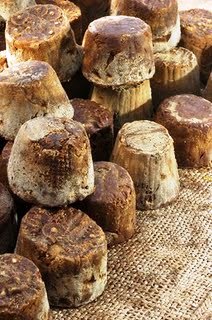
Unrefined whole cane sugar, a staple of Latin American cuisine.

Wikipedia / Wikimedia Commons
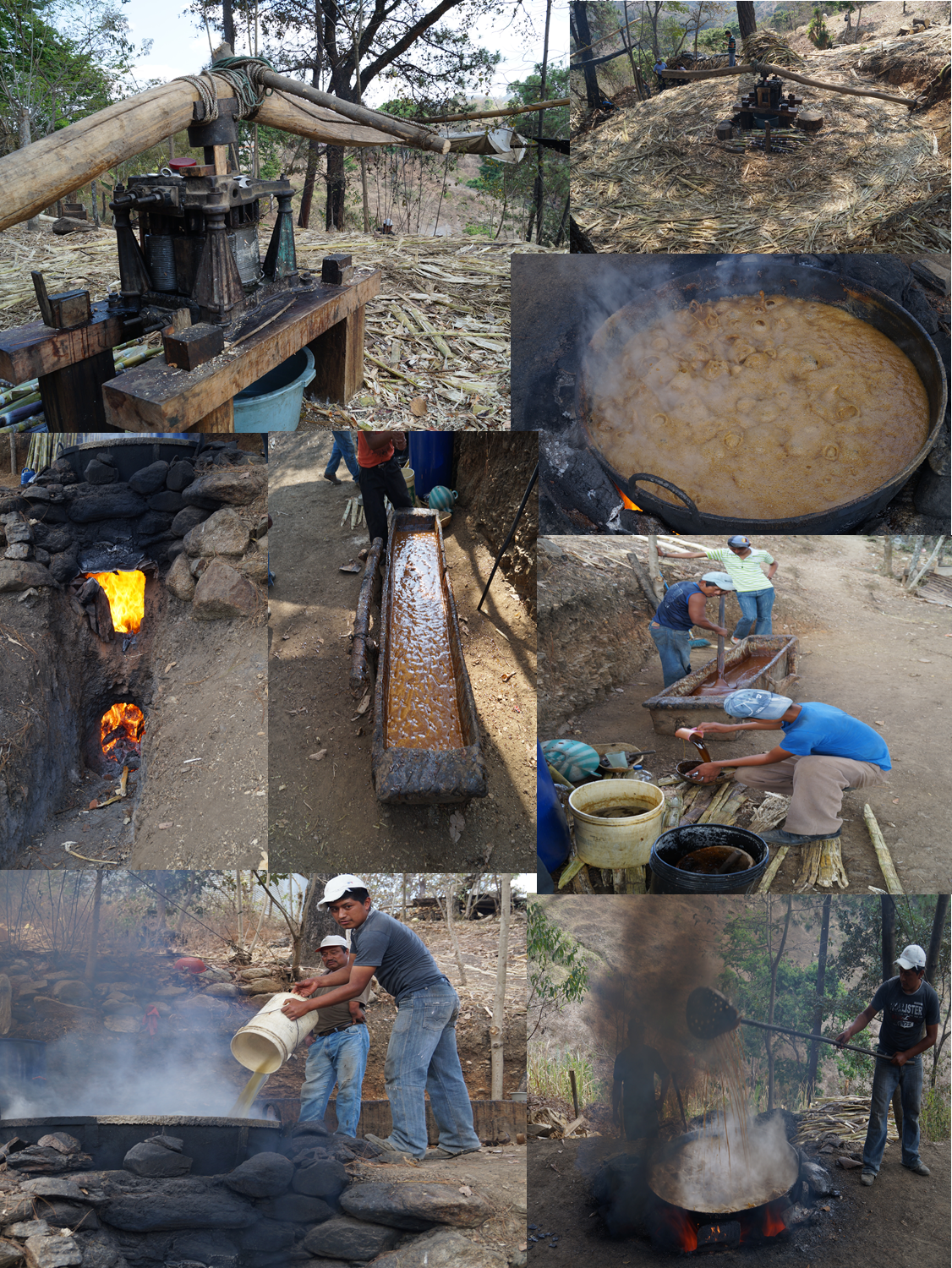
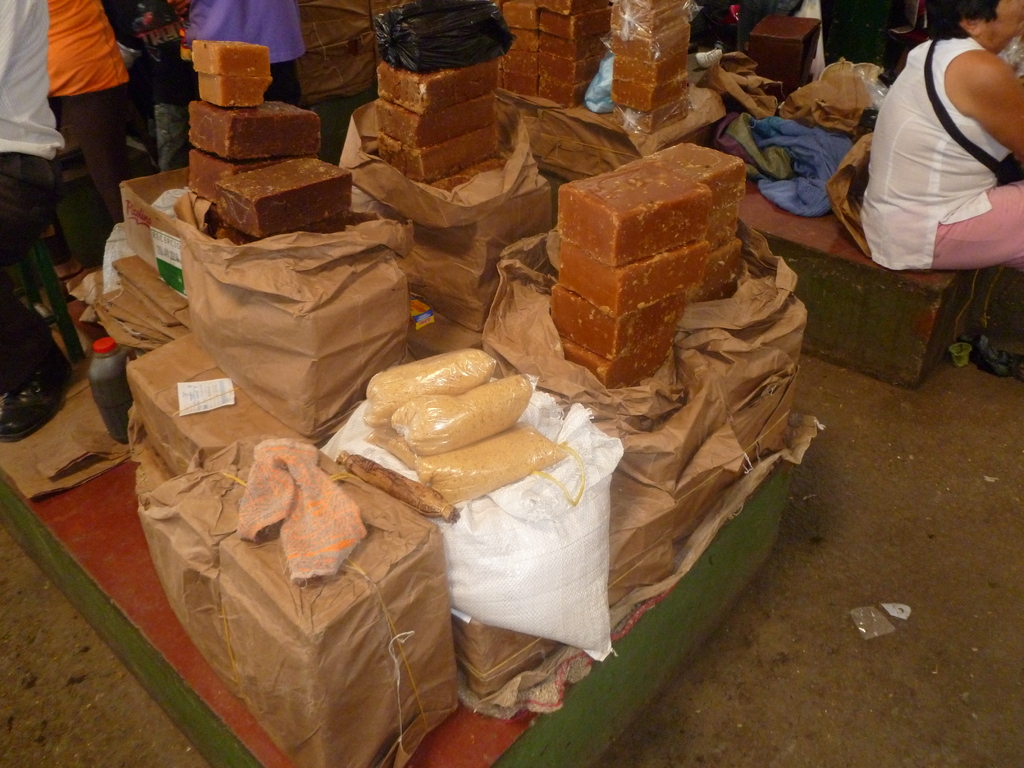
Panela, also known as rapadura, is an unrefined whole cane sugar typical of Latin America. It is a solid form of sucrose derived from the boiling and evaporation of sugar-cane juice, sold in liquid, granulated, and solid block forms, and used in canning, confectionery, soft drinks, baking, and vinegar, beer, and winemaking.
- main_producer
- Colombia (about 1.4 million tons/year)
- consumption_per_capita
- 34.2 kg (75 lb) per year in Colombia
- employment
- About 350,000 people in nearly 20,000 trapiches in Colombia
- agricultural_contribution
- 4.2% of value of agricultural production (not counting coffee) in Colombia in 2003
- regional_names
- Chancaca, piloncillo, rapadura, papelón, among others
- known_for
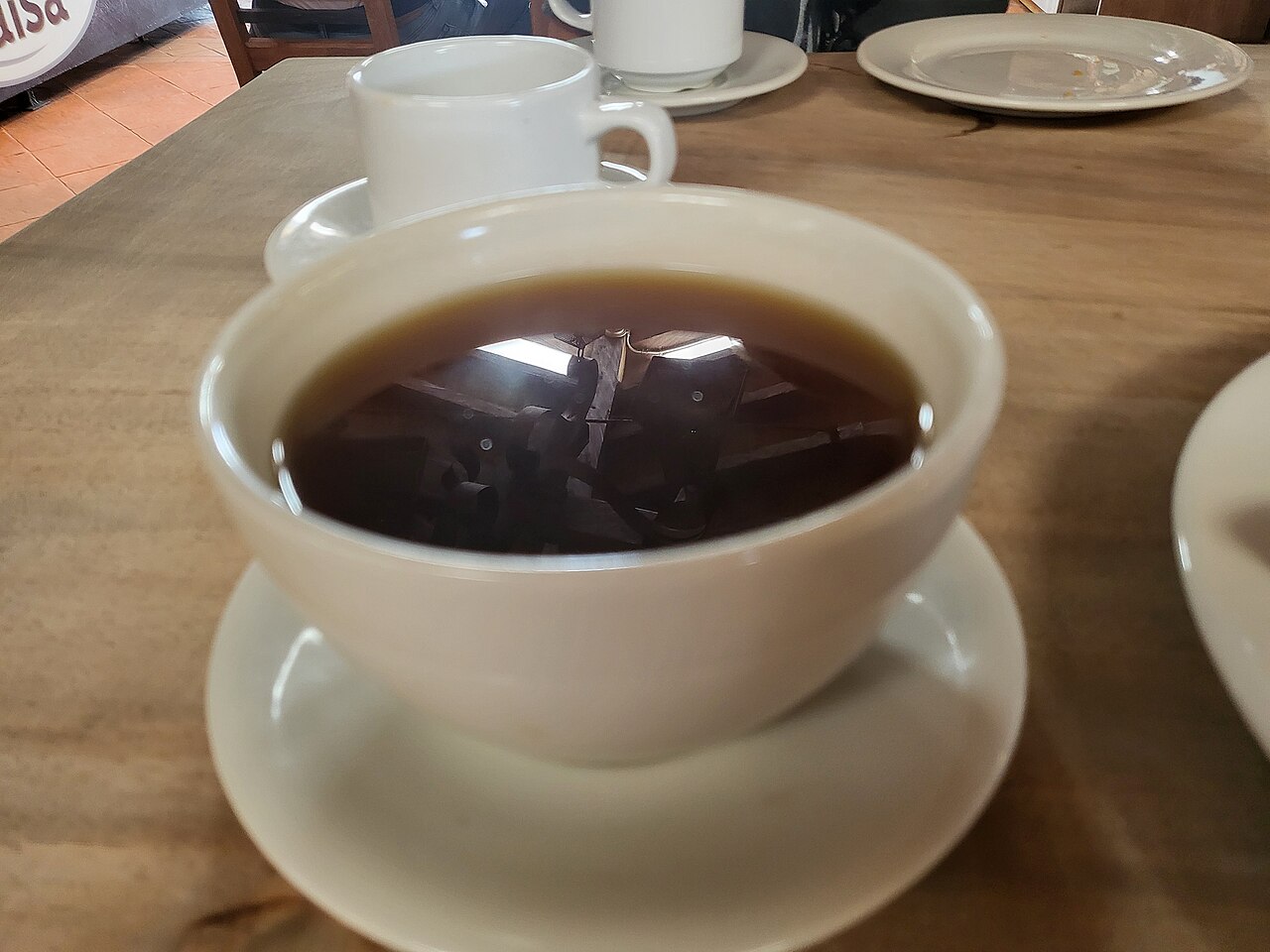
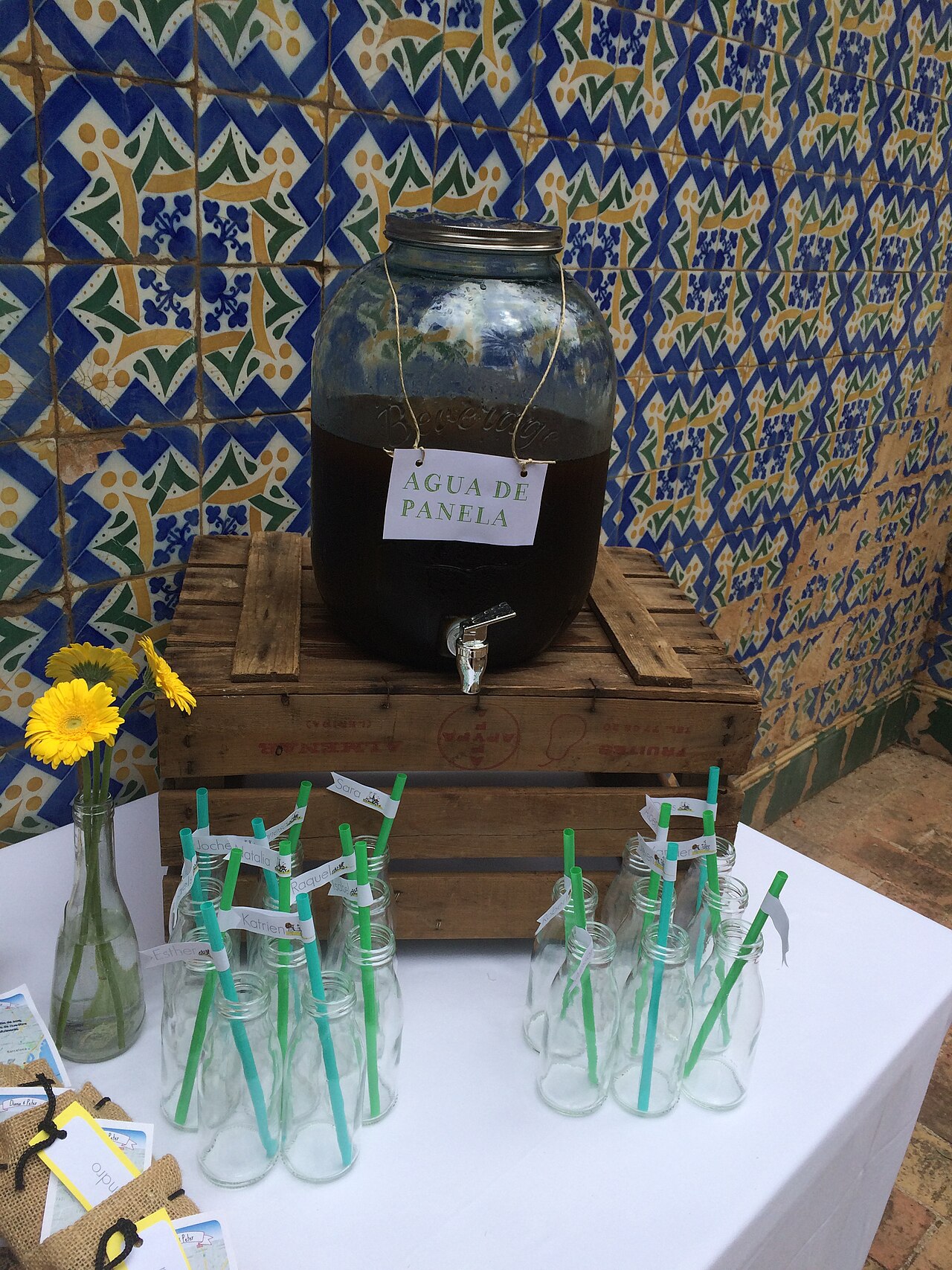
- Unrefined cane sugar, used in aguapanela and many Latin American desserts
Lore & Background
Panela was originally created as an easier way to transport sugar. Made from crushed sugar cane, the juice is collected, boiled, and poured into molds, where it hardens into blocks. It is similar to jaggery, used in South Asia, and both are considered non-centrifugal cane sugars. In Mexico, where it has been around for at least 500 years, it is called piloncillo and is often sold in small, truncated cones; two varieties exist: lighter (blanco) and darker (oscuro).
Reader's Guide
Panela holds significant cultural and economic importance in Latin America, particularly in Colombia, where it is the second-largest employer after coffee in the agricultural sector. It represents 10.7% of the area for permanent crops and 6.2% of the total area cultivated in Colombia, and is produced predominantly in the rural economy of 236 municipalities. Worldwide, Colombians are the largest consumers of sugarcane, with panela consumption representing 2.18% of expenditures on food, and up to 9% in low-income sectors. Panela manufacturers and advocates claim it is healthier than refined sugar, suggesting immunological benefits, a lower glycemic index, and higher micronutrient content. According to a 2012 review by Walter R. Jaffé of 46 academic publications, there is some scientific evidence to support these claims, though other sources note that 'it's still sugar' with only trace amounts of additional nutrients. The product's versatility—used in beverages, desserts, and even vinegar and beer—and its long history (at least 500 years in Mexico) underscore its enduring role as a staple sweetener.
Did You Know?
- Panela is known as piloncillo in Mexico, where it has been around for at least 500 years.
- In Colombia, about 350,000 people work in nearly 20,000 trapiches (panela farms).
- Colombians consume more than 34.2 kg (75 lb) of panela per capita annually, the highest worldwide.
- Panela is used to make aguapanela, a widely consumed beverage in Colombia, and is also used in vinegar, beer, and winemaking.
Regional Diversity Shaped by Altitude and Heritage
Ecuadorian cuisine is profoundly shaped by altitude and the agricultural conditions each zone supports. The national food tradition is a fusion of Spanish, Inca, and Amazonian influences, with smaller but notable contributions from Italian, Lebanese, African, Scandinavian, German, English, and Chinese culinary lineages. Along the coast, beef, chicken, and seafood dominate the table, with ceviche standing out as a signature preparation typically accompanied by rice, lentils, pasta, or plantain. In the highland interior, pork, chicken, beef, and cuy (guinea pig) are favored proteins, served with rice, maize, or potatoes, while hornado—a whole roasted pig—remains a cherished street food. The southern mountainous zone of Loja Province contributes its own character through dishes like repe, a green-banana soup, cecina, a roasted pork preparation, and miel con quesillo as a sweet finish. In the rainforest, yuca (cassava) anchors the diet, prepared boiled, fried, or folded into numerous preparations, while local fruits such as bananas, tree-grapes, and peach palms add freshness and variety.
The Three-Course Structure and a Starch-Centered Table
Across most of Ecuador, meals follow a recognizable three-course rhythm: a soup (sopa), a second course (segundo) built around rice or pasta paired with a protein such as beef, poultry, pig, or fish, and a closing of dessert with coffee. Evening meals tend to be lighter, sometimes reduced to a cup of coffee or agua de remedio, a herbal tea, accompanied by bread. The country is especially noted for the centrality of starches—potato, bread, pasta, rice, and yuca appear in virtually every plate, whether stirred into the soup or arranged in the rice platter. Banana-based preparations are equally iconic. A 2023 study identified encebollado, ceviche, and hornado as the most widely eaten dishes nationwide, though eating patterns showed low correlation between Coast and Highland demographics. Everyday street fare includes patacones (green plantain slices mashed and refried), llapingachos (pan-seared potato balls), and seco de chivo, a hearty goat stew.
Desserts as a Record of Cultural Layering
Ecuador's sweet traditions read like a map of its colonial and immigrant history. Arroz con leche, a rice pudding scented with cinnamon or nutmeg and studded with raisins, arrived from Spain and remains a household and restaurant staple. Helados de paila, a sorbet-like frozen treat originating in Ibarra, is churned by hand inside a large bronze or copper pot set on ice; local legend credits Rosalía Suárez with first harvesting snow from the Imbabura volcano, and her descendants still run the shop. Pristiños, delicate crispy ribbons, and buñuelos, softer and sometimes cheese-laden fritters, are both drizzled with miel de panela and especially sought after during Christmas and Holy Week, though bakeries offer them year-round. Panetón, a fruit-studded sweet bread, was brought by Italian immigrants in the late 1800s and is traditionally paired with hot chocolate at Christmas breakfast, though the season's heat often calls for a cold drink instead. Flan, alfajores layered with dulce de leche, and turrones further echo Spanish colonial roots.
Beverages: From Sugarcane Spirits to Pioneering Soft Drinks
Ecuador's drink culture spans centuries and categories. Aguardiente, a sugarcane-based spirit, is the most popular national alcohol, with recognized brands including Caña Manaba, Zhumir, Cantaclaro, Pájaro Azul, Norteño, and Trópico Seco. Rum enjoys equal favor, represented by local labels such as Rum San Miguel and Ron Pon Pon. During Quito's holiday season, canelazo, prepared from aguardiente, becomes a festive ritual. Among non-alcoholic traditions, pinol blends máchica (toasted barley flour) with panela and spices, while colada morada layers black corn flour, panela, fresh fruit, herbs, and spices into a rich, colorful drink. Fruit-flavored drinkable yogurt is a daily favorite, frequently enjoyed alongside pan de yuca, a puffy cassava-flour bread roll served hot. Fioravanti, a carbonated fruit-flavored soft drink first sold in 1878, is recognized as one of the earliest commercially available soft drinks and was acquired by The Coca-Cola Company in 1991. Güitig, a mineral water, is widely consumed throughout the country.
Gallery
Frequently Asked Questions
What is Panela?
Panela is an unrefined whole cane sugar made by boiling and evaporating raw sugar-cane juice until it solidifies. It is sold as solid blocks, granules, or liquid and serves as a foundational sweetener across Latin American kitchens.
What are Panela's main uses in cooking and production?
It shows up in canning, confectionery, soft drinks, baking, and even vinegar, beer, and winemaking. In Ecuador and neighboring countries it is the essential base for aguapanela and a wide range of traditional desserts.
Who is the biggest producer of Panela?
Colombia leads the world at roughly 1.4 million tons per year, with about 350,000 workers operating across nearly 20,000 small-scale mills called trapiches.
What other names does Panela go by?
Depending on the region you'll encounter chancaca, piloncillo, rapadura, or papelón. Every one of these labels points to the same unrefined cane-sugar product.
Why is Panela important to the region's food culture?
It contributes around 4.2% of Colombia's agricultural production value (excluding coffee) and sustains hundreds of thousands of rural jobs. More than a mere sweetener, it is woven into the daily culinary identity of Ecuador and the broader Latin American table.
More in Ecuadorian cuisine 25-40
Spotted an error? Know more?
This is a living reference — every entry is fact-audited, and reader corrections feed straight into our audit queue. Suggest an edit · See this site's audit record