
Humita
Pre-Hispanic fresh corn dish wrapped in husks.

Wikipedia / Wikimedia Commons
Humita is a traditional dish dating back to pre-Hispanic times, found in Peru, Bolivia, Chile, Ecuador, and Northwest Argentina. It consists of fresh choclo (maize) pounded to a paste, wrapped in a fresh corn husk, and slowly steamed or boiled. The dish is known as huminta in Bolivia and pamonha in Brazil, and is similar to Mexican uchepos or tamales colados, though distinct from tamales made with nixtamalized corn.
- origin
- Pre-Hispanic times
- region
- Peru, Bolivia, Chile, Ecuador, Northwest Argentina
- main_ingredient
- Fresh choclo (maize)
- cooking_method
- Steamed or boiled in a pot of water
- variants
- Humita a la olla, humita en chala (Argentina); sweet or savory (various regions)
- earliest_written_reference
- Inca Garcilaso de la Vega, Comentarios Reales de los Incas (1609)
Lore & Background
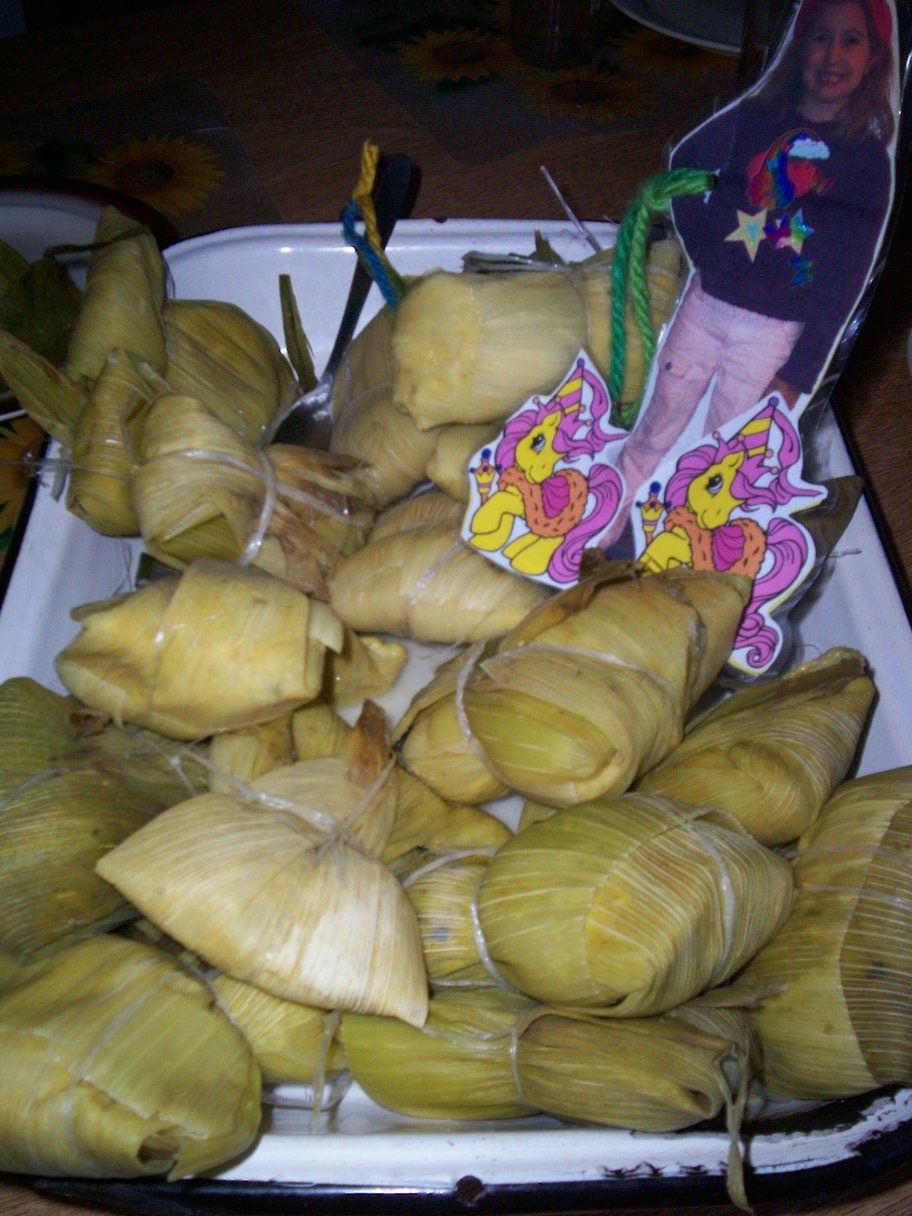
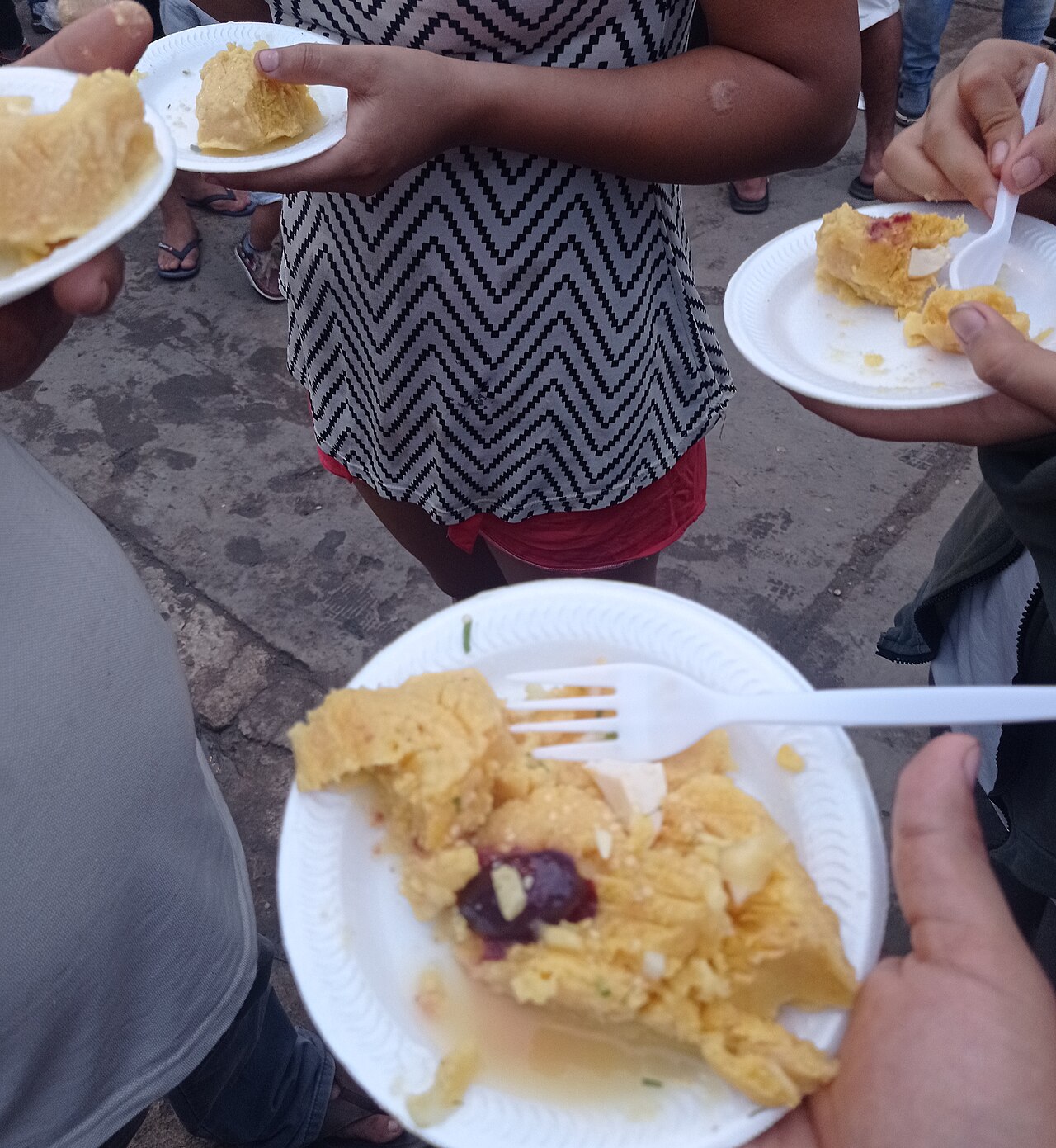
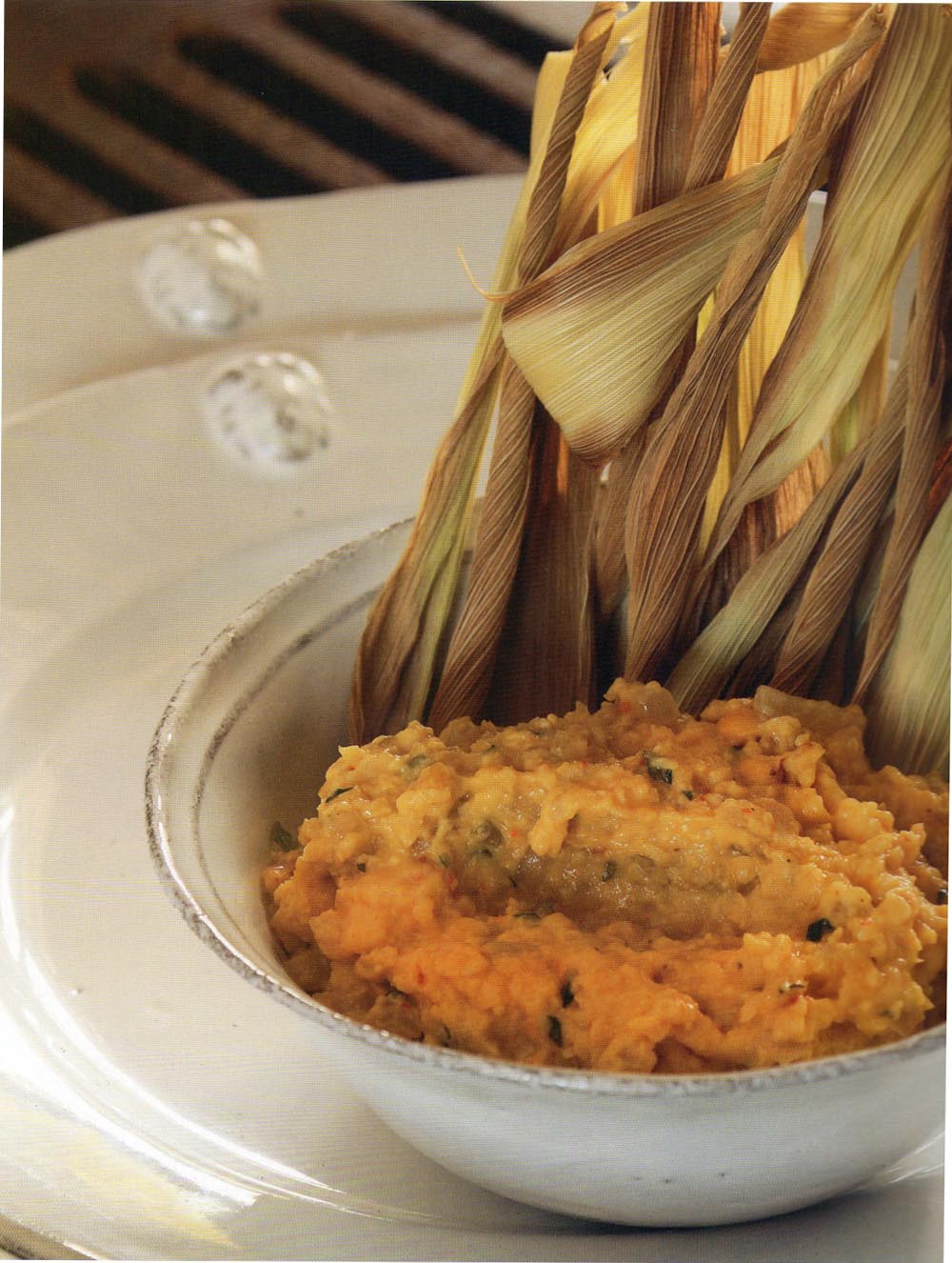
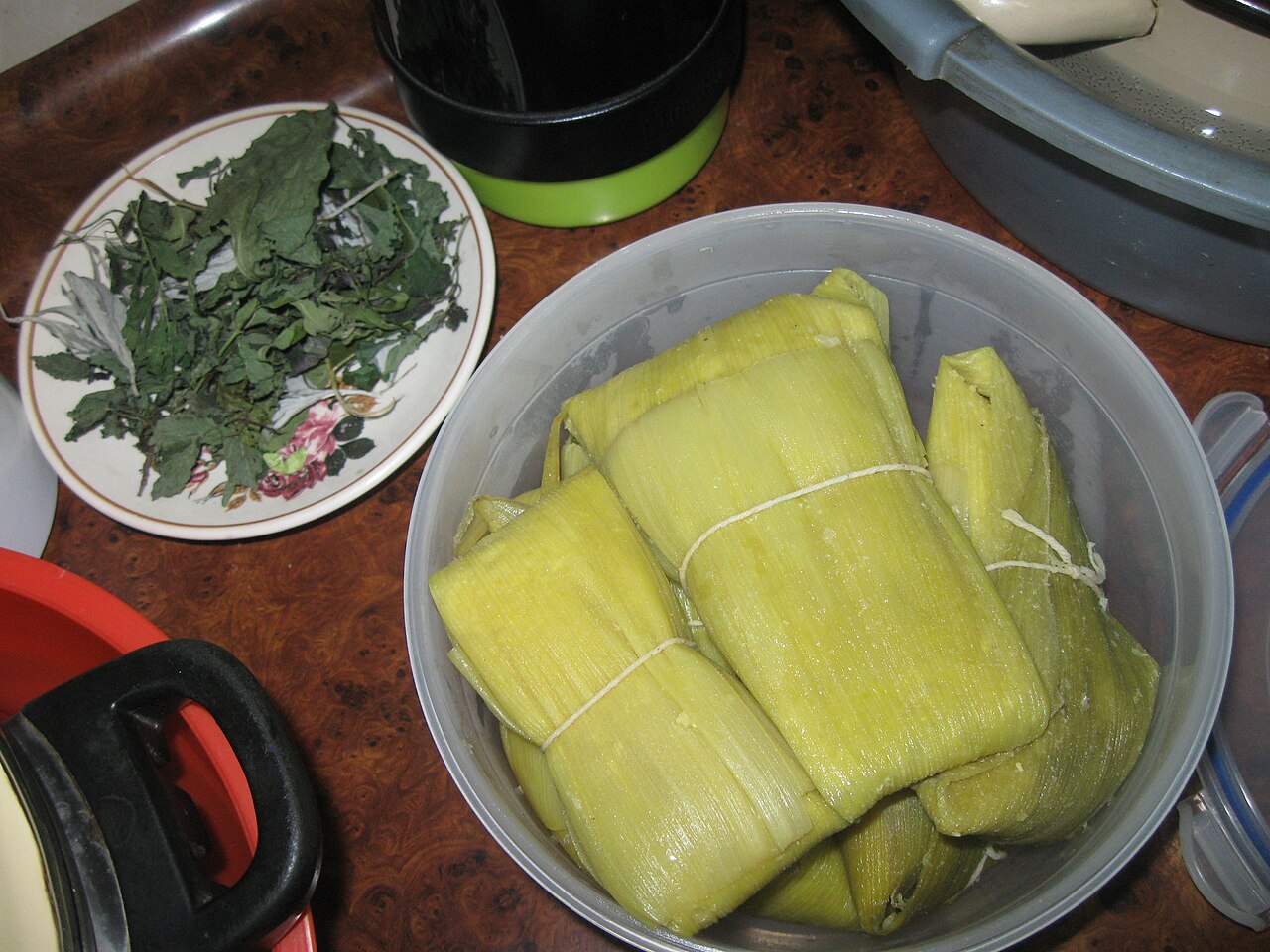
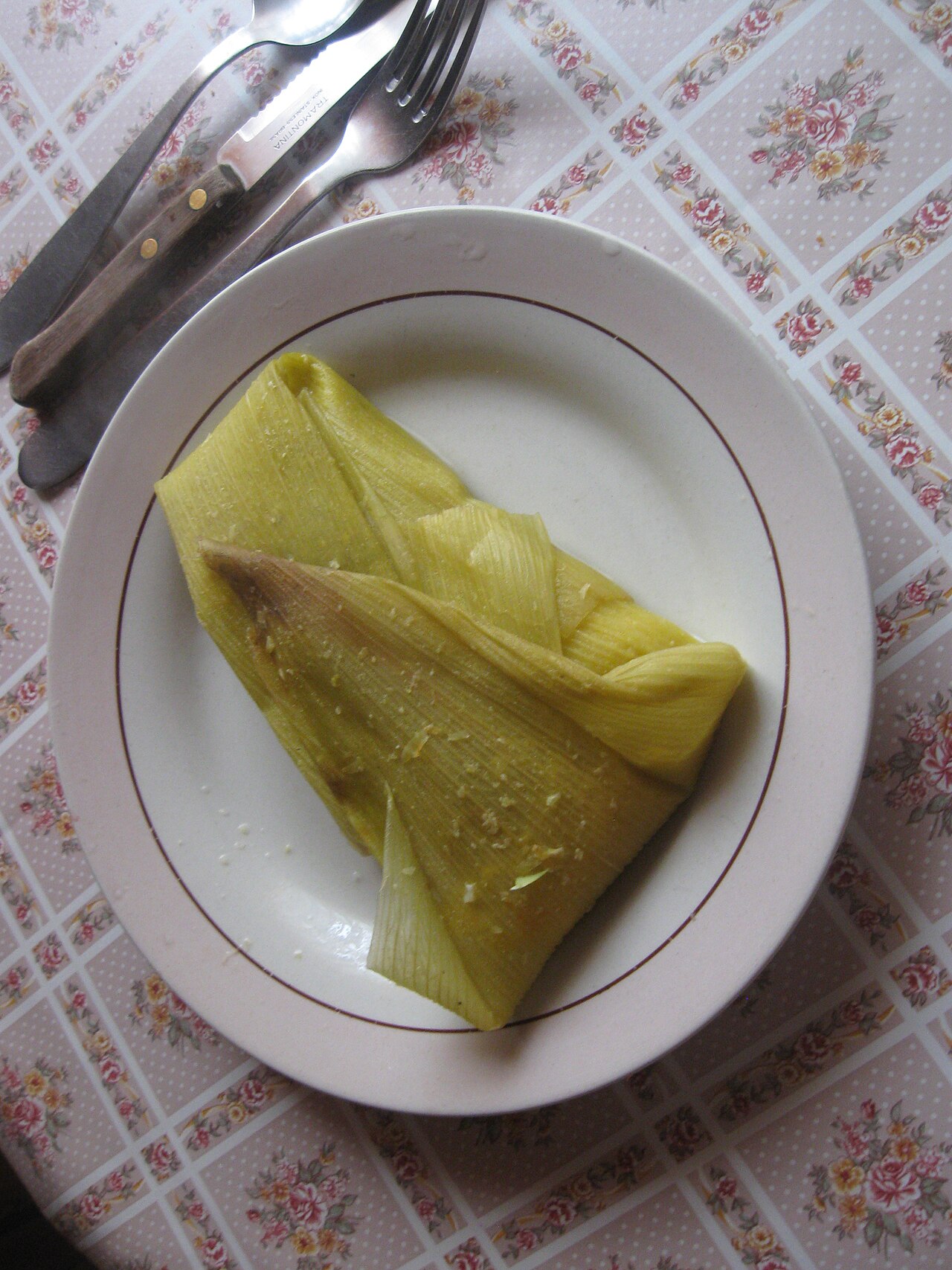
In Argentina, humitas are prepared in two main ways: humita a la olla (in a pot) and humita en chala (in corn husks). For humita a la olla, the corn kernels are grated to create a smooth, creamy mixture, sometimes combined with criollo pumpkin, and sautéed with onions, bell pepper, and seasonings. For humita en chala, the mixture is placed inside two clean corn husks arranged in a cross, tied with strips of husk, and boiled in salted water for about an hour, often with small chunks of cheese added. Humita never contains any type of meat.
Reader's Guide
In Chile, humitas are prepared with fresh corn, onion, basil, and butter or lard, wrapped in corn husks and baked or boiled, tied with thread or twine. They can be savory or sweet, and are traceable back to the 19th century. Ecuadorian humitas use fresh ground corn, onions, eggs, pork fat, and spices, wrapped in corn husks and steamed; they may contain cheese and are often fried just before eating. In the central Andes region of Peru and Bolivia, humitas are made with fresh corn, lard, and salt with queso fresco for savory dishes, or with sugar, cinnamon, and raisins for sweet ones. One of the earliest references to humita in Peru was written by Inca Garcilaso de la Vega in his Comentarios Reales de los Incas (1609), describing his memories of consuming it between 1539 and 1560.
Did You Know?
- The name humita may derive from Quechua umint'a or uma (head), possibly with the Spanish diminutive -ita.
- In Bolivia, the dish is called huminta; in Brazil, it is known as pamonha.
- Humitas are similar to Colombian envueltos or bollos, and share a link to juane, which can be made with corn (sara juane).
- In Argentina, humitas are never made with any type of meat.
Origins & Etymology
The name humita carries deep linguistic roots in Quechua, the indigenous language of the Andes. The word derives from umint'a or possibly uma, meaning head, with some scholars suggesting the Spanish diminutive suffix -ita was later appended to the base form. In neighboring countries the dish appears under slightly different names: Bolivia calls it huminta, while Brazil knows it as pamonha. The dish itself predates European contact, having been prepared by Andean peoples long before the Spanish arrived. One of the earliest written accounts comes from Inca Garcilaso de la Vega, who in his Comentarios Reales de los Incas, published in Lisbon in 1609, recalled eating humita during his youth in Peru between 1539 and 1560. This reference confirms the dish was already well established in Peruvian kitchens more than a century before his publication. Its pre-Hispanic heritage and indigenous linguistic roots mark humita as one of the oldest continuous culinary traditions in South America, surviving colonial and modern eras with remarkable resilience.
Preparation Methods Across the Andes
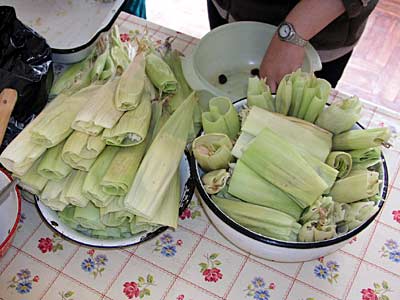
Humita's core technique involves pounding fresh maize kernels into a smooth paste, then wrapping that paste in clean corn husks before cooking it slowly. However, the specific method varies dramatically by region. In Argentina, cooks distinguish between humita a la olla, where grated corn is sautéed with onions, seasoned with basil, paprika, cumin, and salt, and sometimes enriched with criollo pumpkin or milk, then cooked in a pot; and humita en chala, where the mixture is nestled inside two crossed husks, tied with strips, and boiled in salted water for roughly an hour. In Peru, the wrapped parcels may be boiled, steamed, or even placed in a traditional pachamanca oven. Ecuadorian cooks prefer steaming and have even developed dedicated pots for the task. Chilean humitas are either baked or boiled, secured with thread or twine. Across all these traditions, the fundamental act remains the same: fresh corn transformed into a soft, cohesive mass and gently cooked within its own husk.
Sweet, Salty, and Regional Flavors
One of humita's most charming features is its dual identity as both a sweet and a savory dish. In Argentina, the natural sweetness of fresh corn gives rise to two distinct preparations: a sweet version where sugar is stirred in before cooking, and a salty version made without added salt. Cheese—creamy, white, or goat—frequently appears in the filling, particularly in northern provinces like Jujuy, Tucumán, and Salta, where humitas are a staple of local restaurants and markets. In the central Andes of Peru and Bolivia, savory humitas combine corn with lard, salt, and queso fresco, while the sweet variant incorporates cinnamon and raisins. Ecuadorian versions may include pork fat, eggs, and region-specific spices, and are sometimes pan-fried just before serving. Chilean humitas are finished with butter or lard and served with either sugar or tomato. Notably, in Argentina the dish never contains meat, preserving its purely plant-based character.
Cultural Context & Related Dishes
Humita does not exist in isolation; it belongs to a broad family of fresh-corn preparations that stretch across the Americas. Its closest relatives include Mexico's uchepos and tamales colados, Colombia's envueltos and bollos, and the Andean juane, known as Saint John's head, which historically used corn before modern versions shifted to rice. What unites these dishes is the use of fresh, non-nixtamalized corn ground into a paste and cooked within a natural wrapper, distinguishing them from traditional tamales made with masa. In Chile, humitas can be traced back to the nineteenth century, while Inca Garcilaso de la Vega's 1609 memoir places the dish firmly in the sixteenth century in Peru. The dish's presence across Peru, Bolivia, Chile, Ecuador, and northwest Argentina underscores its role as a shared Andean culinary heritage, a food that transcends modern borders and carries the memory of pre-Columbian kitchens into everyday life.
Gallery
Frequently Asked Questions
What is Humita?
Humita is a pre-Hispanic dish made by pounding fresh maize (choclo) into a paste, wrapping it in a corn husk, and steaming or boiling it in water. It is a traditional food shared across Ecuador, Peru, Bolivia, Chile, and Northwest Argentina.
How is Humita different from tamales?
Humita relies on fresh, unprocessed corn rather than nixtamalized corn, which is the base of most tamales. It sits closer in style to Mexican uchepos or tamales colados, but the raw ingredient and simpler preparation keep it as its own distinct category.
What is the earliest written reference to Humita?
Inca Garcilaso de la Vega mentions the dish in his 1609 work, Comentarios Reales de los Incas. That citation confirms Humita was already a well-established Andean food well before European colonization.
Is Humita sweet or savory?
Both styles exist depending on the region and the cook's preference. In Ecuador and its neighbors, a sweet version and a savory version are equally common, and the dish can appear as a side, a snack, or a light meal.
What regional name variants does Humita go by?
In Bolivia it is called huminta, while Argentine cooks prepare it as humita a la olla or humita en chala. In Brazil a closely related preparation is known as pamonha, though it uses a slightly different type of corn.
More in Ecuadorian cuisine 25-40
Spotted an error? Know more?
This is a living reference — every entry is fact-audited, and reader corrections feed straight into our audit queue. Suggest an edit · See this site's audit record