
Mote (food)
Boiled grains prepared with alkali, a Latin American staple.

Wikipedia / Wikimedia Commons
Mote, a term derived from the Quechua word *mut'i* via Spanish, refers to various boiled grains eaten across Latin America. The grains are typically cooked in water made alkaline with ashes or lime, a technique called nixtamalization. Historically, it served as a portable staple for Native American hunting parties and war bands during long trips.
In Argentina, mote is mostly eaten in the mountainous northwest, and less so in Cuyo and Patagonia. It is a thin stew—distinct from the thicker soup *locro*—made from white hominy, sometimes peeled, boiled with *jume* ash. The grains are often paired with small pieces of meat such as llama, goat, mutton, beef, pork, poultry, and occasionally viscacha or mulita. Versions also use beans or wheat. In northern Patagonia, mote stew is accompanied by a cool drink like water, juice, tea, or soft drinks, with or without sugar.
In Bolivia, "mote" describes grain cooked with its husk still on, usually corn, though fava beans are also used. When the husk is removed, the dish is called *pelado*; *pelado* alone refers to corn, while wheat *pelado* is mainly used in soups.
In Chile, "mote" alone means wheat mote—wheat grain boiled with ash and husked, typically through an industrial process. It is most commonly used in the sweet drink *mote con huesillos*. Salted, it accompanies stews and sauces in dishes like *porotos con mote*, *mote guisado*, and *papas con mote*, and also appears in soups. In Mapuche cuisine, it is made into a dough called *catuto* (or *mültrün* in Mapudungun), used for a mildly alcoholic drink called *muday*, and added to foods like *cazuelas* and *kakoiyael* ("food of mote"). Corn mote (*motemei*) is husked corn used in both desserts and savory dishes.
In Ecuador, "mote" refers to boiled, cooked corn kernels served peeled. They commonly accompany dishes like *hornado* and *fritada*, appear in soups such as *caldo de patas*, and are the main ingredient in Cuenca specialties like *mote pillo*, *mote sucio*, and *mote pata*.
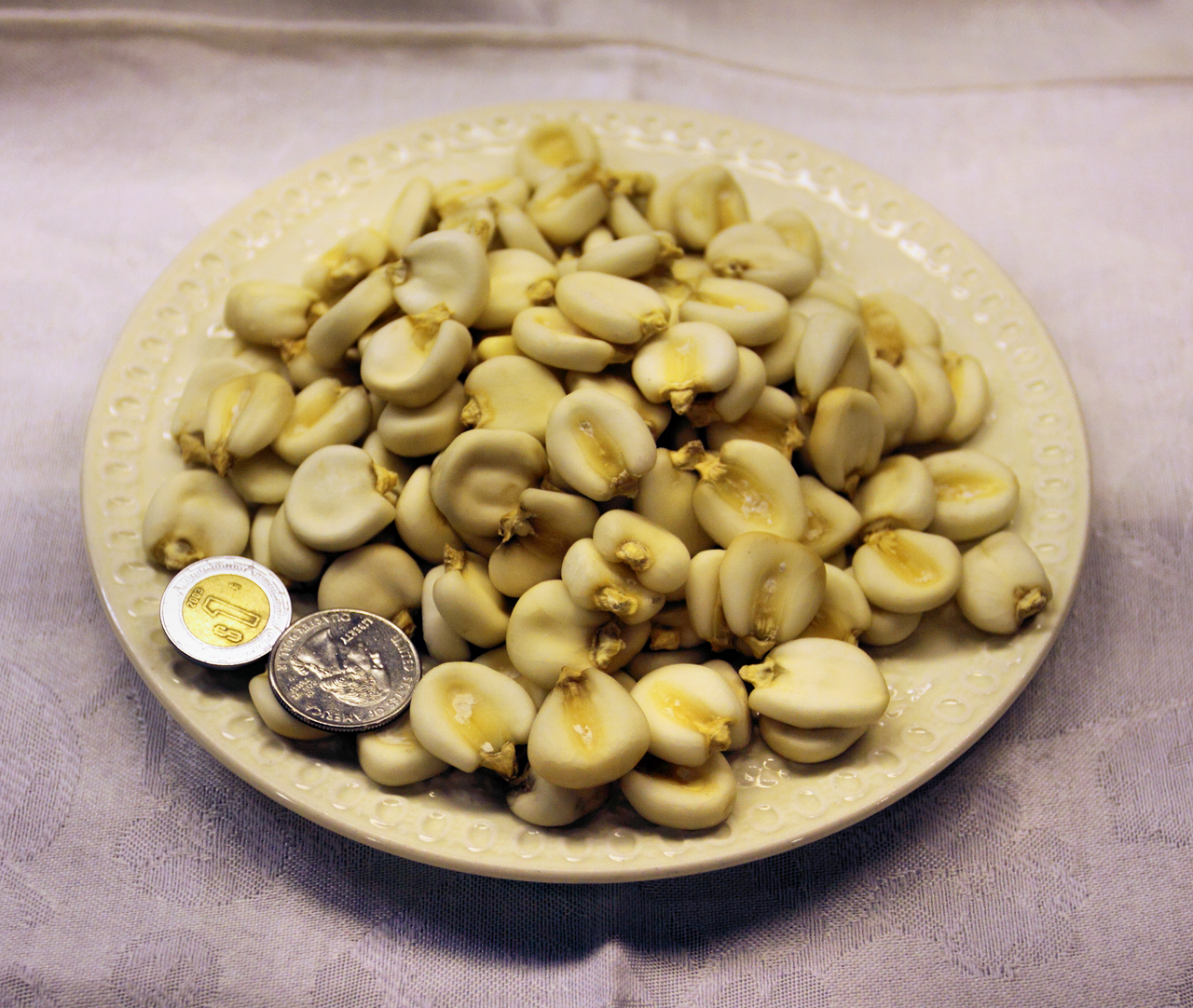
In Peru, mote is husked white corn boiled with charcoal or firewood, now often with calcium hydroxide (slaked lime) powder. In Cusco, a variety called giant corn mote of Cusco is known for its large kernels. Wheat cooked in the same way is called wheat mote (*mote del trigo*).
In Venezuela, this dish is called *mute*: husked white corn boiled with ash or calcium hydroxide until the k
- origin
- Quechua mut'i, via Spanish mote
- preparation
- Boiled grains with ashes or lime (nixtamalization)
- regions
- Argentina, Bolivia, Chile, Ecuador, Peru, Venezuela
- main grains
- Corn (maize), wheat, fava beans
- known_for
- Staple food for Native American hunting parties and war bands
Lore & Background
In Argentina, mote is a thin stew made from white hominy boiled with jume ash, often accompanied by meats such as llama, goat, mutton, beef, pork, poultry, and more rarely viscacha and mulita. It is also made with beans and wheat. In Patagonia, it is consumed with a cool drink. In Bolivia, mote refers to grain cooked in its husk, typically corn or fava beans; when husked it is called pelado. In Chile, wheat mote is used for the sweet beverage mote con huesillos and savory dishes like porotos con mote, and in Mapuche cuisine for dough (catuto) and a slightly alcoholic drink (muday).
Reader's Guide
Mote represents a foundational food across Latin America, rooted in indigenous nixtamalization techniques that enhance nutritional value. Its variations reflect regional ingredients and traditions: from Argentine stews with diverse meats to Chilean sweet drinks and Mapuche preparations. In Ecuador, mote accompanies hornado and fritada; in Peru, giant corn mote of Cusco is notable; in Venezuela, mute is made with pork or tripe. The dish's historical role as a staple for Native American hunting parties and war bands underscores its practicality and cultural significance. Mote's adaptability—using corn, wheat, or beans—and its persistence in modern cuisines highlight its enduring legacy as a versatile, nourishing food.
Did You Know?
- Mote is prepared by boiling grains in water made alkaline with ashes or lime, a process called nixtamalization.
- In Argentina, mote is sometimes made with viscacha and mulita meat.
- In Chile, wheat mote is used to make a slightly alcoholic drink called muday in Mapuche cuisine.
- In Venezuela, the dish is called mute and is made with husked white corn kernels boiled until they burst.
Origins & The Alkaline Boiling Tradition
The word "mote" traces back to the Quechua term "mut'i," which passed through Spanish to become the generic label used across much of Latin America. At its core, mote is not a single grain but a family of boiled grains, and the defining technique that unites them all is nixtamalization. Rather than simply simmering in plain water, the grains are cooked in a liquid made alkaline through the addition of wood ash or lime. This ancient method, still practiced today with calcium hydroxide powder in places like Peru, transforms the texture and flavor of the kernel. The process can involve charcoal or firewood for the heat, and in some traditions the grain is boiled until it bursts open completely, as is the case in Venezuela. What began as a practical way to prepare tough grains for sustenance has become a deeply embedded culinary identity shared by communities stretching from the Andes to Patagonia.
A Staple on the Move – Historical Role
Long before it became a celebrated element of regional cuisines, mote served a far more utilitarian purpose. For Native American hunting parties and war bands embarking on long journeys, these boiled grains provided a reliable, portable source of sustenance. The alkaline boiling process made the grains more digestible and practical enough to sustain groups moving through remote terrain. This frontier heritage is still visible in the way mote persists in the most rugged regions of South America. In Argentina's mountainous northwest, where llama, goat, and mutton feature alongside the grains, the dish retains a hardy character. In Patagonia's northern reaches, the thin stew is paired with simple cool drinks—water, juice, tea, or soft drinks, sometimes sweetened—reflecting a practical pairing for hard physical labor. Even in Bolivia, where corn is cooked in its husk and only later peeled for a dish called pelado, the preparation speaks to a tradition of making the most of what the land provides.
One Name, Many Grains – Regional Interpretations
Perhaps the most striking aspect of mote is how a single term encompasses wildly different preparations across Latin America. In Chile, the word alone means wheat grain boiled with ash and stripped of its husk, often through an industrial process, and it stars in the beloved sweet drink mote con huesillos. In Peru, mote specifically denotes husked white corn kernels, and the region of Cusco even boasts a variety called giant corn mote known for its unusually large size. Ecuador takes a different path, using the term for peeled, boiled corn kernels that accompany hearty dishes like hornado and fritada, or form the base of Cuenca specialties such as mote pillo and mote sucio. Venezuela calls it "mute" and boils the kernels until they burst, then flavors the result with pork and spices in the central regions, or with beef tripe in the Andes and goat organs in Lara and Yaracuy. Bolivia distinguishes between mote (grain cooked in the husk) and pelado (the peeled version), reserving the latter term alone for corn.
From Stew to Spirit – Culinary Range
Mote's versatility extends far beyond a single preparation. In Chilean Mapuche cuisine, the grain is worked into a dough called catuto (mültrün in Mapudungun) and fermented into a mildly alcoholic beverage known as muday. It also appears as an ingredient in cazuelas and in a dish called kakoiyael, literally "food of mote." In Argentina, the thin-consistency stew—distinguished from the thicker locro—incorporates white hominy boiled with jume ash and is served alongside an impressive range of meats, from beef and pork to the more unusual viscacha and mulita. In Chile, salted wheat mote accompanies stews in dishes like porotos con mote and papas con mote, while corn mote (motemei) finds its way into both desserts and savory preparations. In Ecuador, the grain anchors soups like caldo de patas as well as the distinctive Cuenca dishes. In Venezuela, the fully burst kernels become the foundation of arepa pelada from Falcón state. From fermented drink to flatbread, mote is as much a canvas as an ingredient.
Gallery



Frequently Asked Questions
What is Mote in Ecuadorian cuisine?
Mote is a traditional dish of boiled grains—most commonly corn, though wheat and fava beans also appear—that sits at the heart of Andean and broader Latin American cooking. The name traces back to the Quechua word 'mut'i,' which passed into Spanish and spread across the region.
How is Mote actually cooked?
The grains are simmered in water made alkaline with wood ash or lime, a technique known as nixtamalization. This alkaline bath softens the kernels and shifts their flavor compared to plain boiled corn.
What grains go into Mote?
White corn (hominy) is the most common base, but cooks in different areas may substitute wheat or fava beans. Depending on the recipe, the kernels are sometimes peeled before they hit the pot.
Where is Mote traditionally eaten?
It shows up across the Andean belt and beyond, including Ecuador, Peru, Bolivia, Chile, Argentina, and Venezuela. In Argentina's mountainous northwest, for instance, it is served as a thinner stew, clearly distinct from the heavier locro.
Why is Mote historically important?
Long before colonial contact, Mote served as a portable, calorie-dense staple that kept Indigenous hunting groups and war parties fed on long highland journeys. Its simple preparation and shelf-stable nature made it the go-to travel food of the region.
More in Ecuadorian cuisine 25-40
Spotted an error? Know more?
This is a living reference — every entry is fact-audited, and reader corrections feed straight into our audit queue. Suggest an edit · See this site's audit record